
Garden Lighting Ideas That Also Boost Home Security

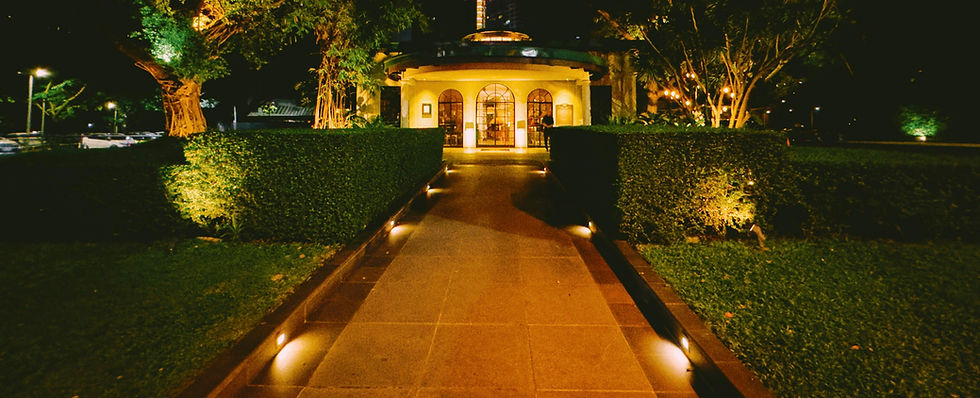
Short answer: the most effective garden lighting combines a few different types working together: motion-activated security lights at entry points and dark corners, softer ambient lighting for pathways and seating areas, and well-placed lighting that removes hiding spots near doors and windows. Done well, garden lighting can improve both the look of your outdoor space and its security at the same time, without one compromising the other.
Why Garden Lighting Matters for Security
A well-lit property is a less attractive target. Most opportunistic intruders rely on cover and the ability to approach a property unseen, and good exterior lighting removes both. This doesn’t mean floodlighting the entire garden. A thoughtful combination of lighting types, placed with intent, does far more for security than sheer brightness alone.
Types of Garden Lighting Worth Considering
Motion-activated security lights
These are the most direct security measure, lighting up suddenly when movement is detected near an entry point, side passage, or driveway. They’re particularly effective at doors, gates, and any access point that isn’t overlooked from the street.
Dusk-to-dawn lights
Rather than reacting to movement, these switch on automatically as light fades and stay on through the night. They work well for main pathways, driveways, and areas you want consistently lit rather than only lit on activation.
Pathway and step lighting
Low-level lighting along paths and steps improves both safety underfoot and the overall look of the garden in the evening, while also making it harder for someone to move around the property unseen.
Wall-mounted and soffit lighting
Fitted to the exterior walls or under eaves, this type of lighting is effective at removing shadowed areas directly around the building, which are often the first place someone would try to shelter out of sight.
Feature and ambient lighting
Uplighting trees, borders, or architectural features adds to the look of the garden in the evening and, as a side effect, increases overall visibility across the space.
Designing for Both Security and Style
The two goals aren’t in conflict, but they do need thinking through together rather than as separate projects. A common approach is to use functional, motion-activated lighting at vulnerable points, security-focused areas like side gates, back doors, and anywhere out of view from the road, and reserve softer ambient or feature lighting for areas meant to be enjoyed, like patios, seating areas, and planting. The result is a garden that looks considered in the evening rather than clinical, while still covering the practical security gaps.
Where to Prioritise Lighting First
Side and rear access points
These are typically the least visible parts of a property and the areas most worth lighting first if security is the main priority.
Driveways and main approach
A well-lit driveway and front approach make a property feel occupied and deter anyone considering approaching unseen.
Blind spots and dark corners
Any area not overlooked by a window or the street, such as behind sheds, side returns, or dense planting, is worth specifically addressing rather than relying on general garden lighting to cover it incidentally.
Entry doors
Front and back doors are worth having directly lit, both for practical use in the evening and because a lit entrance is a strong visual deterrent.
Smart and Connected Options
Many modern garden lights can now be integrated into a smart home setup, allowing scheduling, app control, and in some cases integration with cameras so that lighting activates alongside recording. This isn’t essential for effective garden lighting, but it’s worth considering if you already have or are planning smart cameras or a wider smart home system, since the two can work well together.
Frequently Asked Questions
What’s the best type of garden lighting for security?
Motion-activated lighting at entry points and dark corners tends to be the most effective single measure, though combining it with dusk-to-dawn lighting on main approaches gives more consistent coverage.
Does garden lighting actually deter intruders?
Yes, well-placed lighting is widely considered an effective deterrent, since it removes the cover and concealment that opportunistic intruders rely on.
Can garden lighting be too bright?
It can. Excessive floodlighting can create harsh shadows elsewhere and cause light pollution for neighbours, which is why a mix of lighting types placed with intent tends to work better than one very bright light.
Can I combine garden lighting with a CCTV or smart camera system?
Yes, this is a common and effective combination, particularly where lighting is set to activate alongside camera motion detection.
How much rewiring does garden lighting installation involve?
This depends on the number and type of fittings and whether new cable runs are needed to reach them. It’s assessed as part of a proper survey of the garden and existing electrical supply.
Get a Garden Lighting Assessment
I design and install garden and security lighting for homes across Surrey, Hampshire and Berkshire, including Aldershot, Farnborough, Farnham, Camberley and Fleet. Get in touch for a free, no-obligation assessment: 07538 379157.


Comments